
Why Premium Cigar Cutters Are Worth the Investment
Last Updated: November 22, 2026
Quick Summary
Premium cigar cutters are worth it because a sharp, well-built blade slices cleanly through the cap instead of crushing it, protecting the wrapper and the draw. A budget cutter that mangles cigars costs more in wasted sticks than a quality cutter costs upfront.
- A double-blade guillotine is a common starting point for a first serious cutter.
- Remove only a couple of millimetres of cap so the wrapper stays intact.
- Divide cutter price by expected cuts to compare cost per cut across options.
- Wipe blades after each use and never put a cutter in the dishwasher.
- Skip the upgrade if you smoke only occasionally and don't mind replacing budget cutters.
Table of Contents
- The Real Cost of a Bad Cut: Why Premium Cigar Cutters Pay Off
- Guillotine vs. V-Cut Cigar Cutter: Which Cut Belongs in Your Hand
- Blade Sharpness, Cap Removal, and the Draw You Actually Taste
- Cutter Construction and the Cigar Cutter With Backstop Advantage
- Finding the Best Cigar Cutter for the Money
- How to Clean a Cigar Cutter and Make It Last
- Who Benefits From Upgrading, and Who Can Skip It
- Choose a Cutter That Matches Your Style and Your Smoke
- Frequently Asked Questions
The Real Cost of a Bad Cut: Why Premium Cigar Cutters Pay Off
A bad cut ruins a good cigar faster than almost anything else. When the blade crushes instead of slices, the cap tears, the wrapper unravels, and the draw turns hot and bitter before you're halfway through. That's the practical case for why premium cigar cutters are worth it, and at Lipstick and Smoke we've watched too many women blame the cigar when the real culprit was a dull, cheap blade.
Here's the counterintuitive part: the money argument runs opposite to what most people assume. A budget cutter that mangles one cigar a month costs you far more in wasted sticks than a well-built cutter costs upfront. Below, we'll break down exactly where the value hides, from blade steel to cut geometry, so you can decide for yourself whether upgrading makes sense.
Guillotine vs. V-Cut Cigar Cutter: Which Cut Belongs in Your Hand
A guillotine cut slices straight across the cap, while a V-cut carves a wedge. Neither is "better," but they suit different cigars and different smokers.
Guillotine cutters come in single-blade and double-blade versions. Double-blade models meet in the middle, which is the design the Socialite Signature Cigar Cutter uses.
V-cutters appeal to smokers who want a tighter, more focused draw and less risk of tobacco flakes on the tongue. The trade-off is a narrower opening and a shorter margin for error.
For a first serious cutter, a double-blade guillotine is a common starting point for many smokers.
The two main cut styles suit different cigars and smokers, so here is how they compare.
| Cut type | What it does | Best for |
|---|---|---|
| Guillotine | Slices straight across the cap | A first serious cutter; double-blade is a common starting point |
| V-cut | Carves a wedge into the cap | A tighter, more focused draw with less risk of tobacco flakes |
Blade Sharpness, Cap Removal, and the Draw You Actually Taste
A sharp cutting edge slices cleanly through the cap, while a dull one can crush the tobacco and restrict airflow.
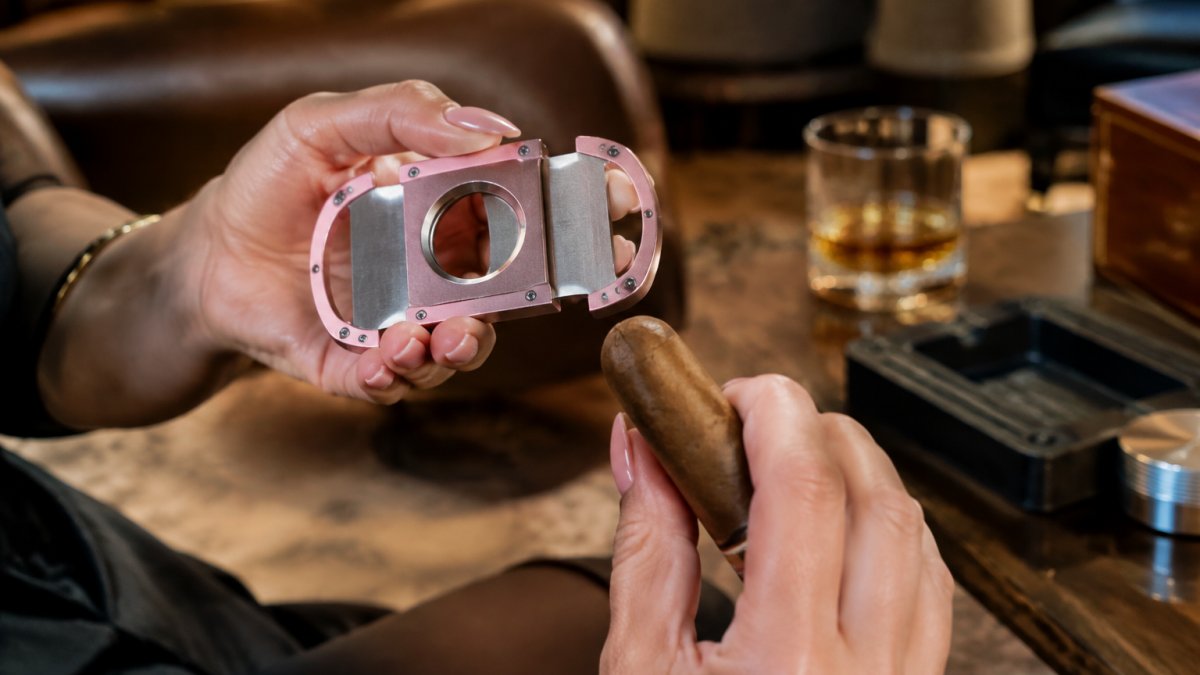
Cap removal deserves more attention than it gets. You want to take off just the very tip, a couple of millimetres, leaving enough cap intact to hold the wrapper together. Cut too deep and the whole wrapper can peel. Cut too shallow and the draw stays blocked.
Blade quality affects how a cigar is cut, and a sharp edge helps the cap open cleanly.
Cutter Construction and the Cigar Cutter With Backstop Advantage
Construction varies between cutters, and the Socialite Signature Cigar Cutter is made from stainless steel.
A backstop is a physical stop that limits how far the blade travels, which some cutters include to help prevent over-cutting.
Keeping blades aligned matters for consistent cutting performance.
Finding the Best Cigar Cutter for the Money
The best cigar cutter for the money is the one that holds a sharp, even edge long enough to justify its price. That's a cost-per-cut question, not a sticker-price question, and most buying guides skip the arithmetic. Here's how to actually run it.
Start with three numbers you can estimate honestly: how many cigars you cut per week, how many cuts a given cutter delivers before the edge degrades, and what the cutter costs. Divide price by expected cuts and you get a cost per cut you can compare across options. A budget cutter that dulls after a few months and gets replaced repeatedly spreads its price across far fewer clean cuts than a well-made cutter that lasts years.
A practical way to frame the comparison is to separate the cutter's upfront price from its ownership cost. Upfront price is what you pay at checkout. Ownership cost adds replacement frequency, any sharpening or servicing, and the value of the cigars ruined by a blade that crushes instead of slices.
When you're comparing options, weigh these factors:
- Blade steel and thickness: thicker stainless steel resists flex and stays sharp longer
- Double-blade vs. single-blade: double-blade spreads pressure and protects the wrapper
- Backstop: limits over-cutting, which matters most for newer smokers
- Build and finish: tight tolerances mean smooth blade movement and no wobble
- Repairability: whether the pivot can be serviced or the blade replaced extends useful life
- Feel in the hand: a cutter you enjoy using is one you'll actually keep
For women who want to browse the full range of styles and finishes, you can shop the cutter collection and compare options side by side.
How to Clean a Cigar Cutter and Make It Last
Maintenance is the quiet secret to a cutter that performs for years, and it's where premium cutters separate from disposable ones. Cigar cutters can collect tobacco residue with use, so regular wiping helps keep the mechanism working smoothly.
Wipe the blades after each use with a soft cloth. Every few weeks, clear the pivot area with a brush or a cotton swab to remove packed tobacco residue. A single drop of light oil at the pivot keeps the action smooth, but keep oil away from the cutting edge.
Store the cutter closed and dry, away from humidity. Moisture is the enemy of stainless steel over time, and a damp cutter left in a travel bag will show it.
Watch out: never run a cutter through the dishwasher or soak it in water. Water works into the pivot and rusts the mechanism from the inside, which is how a good cutter dies young.
Check whether the maker offers replacement parts or service before assuming a cutter can be sharpened.
When you compare options, ask whether the pivot, spring, and blade are serviceable, and what any warranty actually covers.
For a full step-by-step routine, read our guide on how to clean a cigar cutter for a perfect cut every time.
Who Benefits From Upgrading, and Who Can Skip It
Not everyone needs a premium cutter, and we'd rather tell you honestly than sell you something you won't use.
You'll get real value from upgrading if you:
- Smoke regularly and cut several cigars a week
- Smoke thicker ring gauges that demand a clean, wide cut
- Have lost good cigars to split wrappers or tight draws
- Want a cutter that matches the rest of your accessories and travels well
You can comfortably skip the upgrade if you smoke only occasionally, stick to one cigar size, and don't mind replacing a budget cutter now and then.
The same logic applies to accessories more broadly. If you're weighing whether premium gear is worth it, our piece on whether a leather cigar case for travel is worth it walks through that decision from the same angle.
Choose a Cutter That Matches Your Style and Your Smoke
A cutter is an accessory you use each time you smoke, so choosing one that suits your style makes sense.
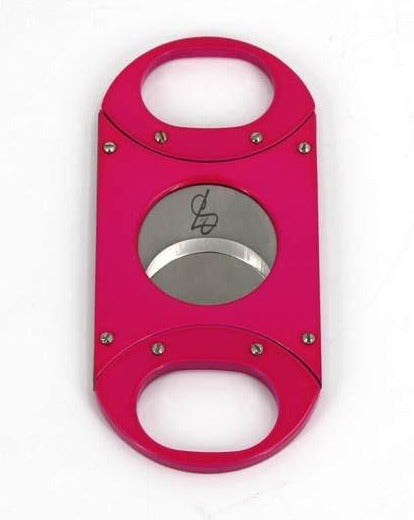
The Socialite Signature Cigar Cutter pairs a stainless steel double blade with a pink finish, sized at 8.6 by 4.2 by 0.5 cm.
If you're building out a travel kit, our PU leather cases hold three cigars and include a cutter.
Here's the challenge: stop letting a dull blade decide how your cigar tastes. Get started with Lipstick and Smoke and cut every cigar with the precision it deserves.
A clean cut is the first thing you taste and the last thing most smokers think to fix. Lipstick and Smoke makes precision cutters and stylish cases designed for women who take their cigars seriously, with a stainless steel double-blade cutter in a signature pink finish and travel cases that keep your gear protected. Get started with Lipstick and Smoke and make every cut as sharp as your style.
Frequently Asked Questions
Are expensive cigar cutters worth it?
For regular smokers, yes. A premium cigar cutter holds a sharp edge longer, makes a clean cut through the cap, and keeps its blade alignment over hundreds of cuts. That protects the wrapper and supports an even draw. If you smoke only a few times a year, a budget cutter can work, but it will dull faster and may crush the cap instead of slicing it.
What makes premium cigar cutters better than budget options?
Three things: blade steel and sharpness, construction and blade movement, and the backstop that limits how far the blade travels. Premium cigar cutters use harder stainless steel that stays sharp, tighter tolerances so the blades meet cleanly, and durable construction that survives repeat use. Budget cutters often flex, tear the wrapper, and lose their edge within months.
How does a sharp cigar cutter affect the draw?
A sharp blade slices the cap cleanly and leaves the opening intact, so smoke circulation stays even from the first puff. A dull cutter crushes and tears the cap, which can tighten the draw, cause wrapper damage, and lead to uneven combustion. The cut is the first thing that decides how the cigar smokes, which is why blade sharpness matters more than most accessories.
How do you clean and maintain a cigar cutter?
Wipe the blades with a soft dry cloth after each use to remove tobacco residue, and brush out the slot with a small brush every few weeks. Avoid water, which can corrode the blade edge. Store the cutter closed and dry, and never use it on anything but cigar caps. Proper cigar cutter maintenance keeps the cutting edge precise and extends the cutter lifespan well beyond a neglected one.
